
Expert Tips on Maintaining Your Interior Design in a Humid Climate


Understanding the Challenges of Humidity
Living in a humid climate can be both a blessing and a challenge, especially when it comes to maintaining your interior design. High humidity levels can affect materials, colors, and the overall ambiance of your home. It’s crucial to understand how humidity interacts with different elements of your interior to keep your space looking fresh and inviting.
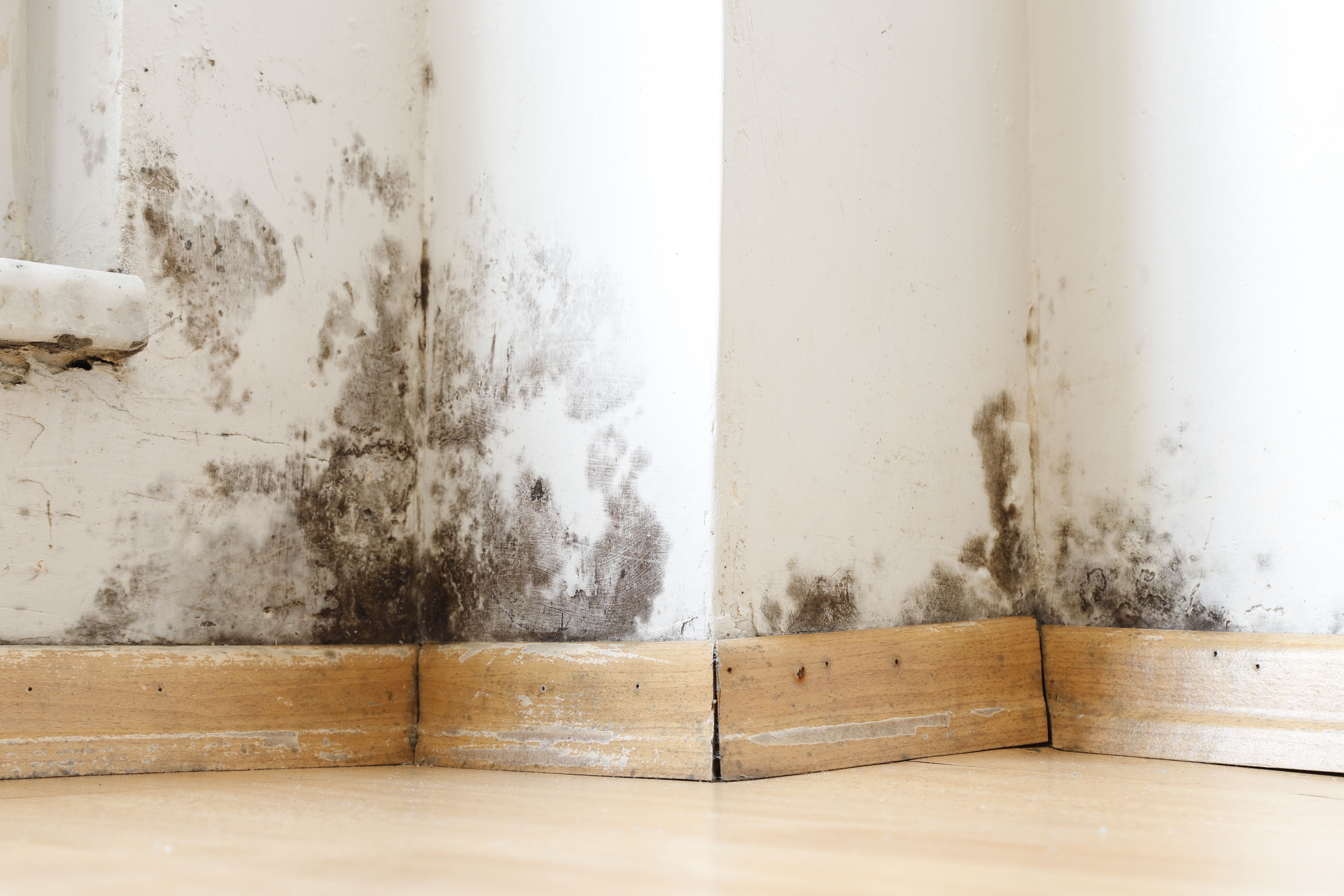
Humidity can lead to mold growth, warping of wood, and peeling paint. These issues not only affect the appearance of your home but can also lead to costly repairs. By taking proactive steps, you can mitigate these effects and protect your investment.
Choosing the Right Materials
One of the most effective ways to combat humidity is by selecting the right materials for your home’s interior. Opt for moisture-resistant materials such as treated wood, metal, or glass. These materials are less likely to absorb moisture and can withstand the challenges posed by a humid climate.
Consider using mold-resistant paint and wallpaper. These products are specially designed to prevent mold and mildew growth, keeping your walls looking pristine. Additionally, ceramic or porcelain tiles are excellent choices for flooring in humid areas, as they are less prone to water damage.
Effective Ventilation Solutions
Proper ventilation is essential in maintaining a healthy and beautiful interior. Ensure that your home is well-ventilated by installing exhaust fans in high-humidity areas like the kitchen and bathroom. These fans help remove excess moisture from the air, reducing the risk of mold and mildew.
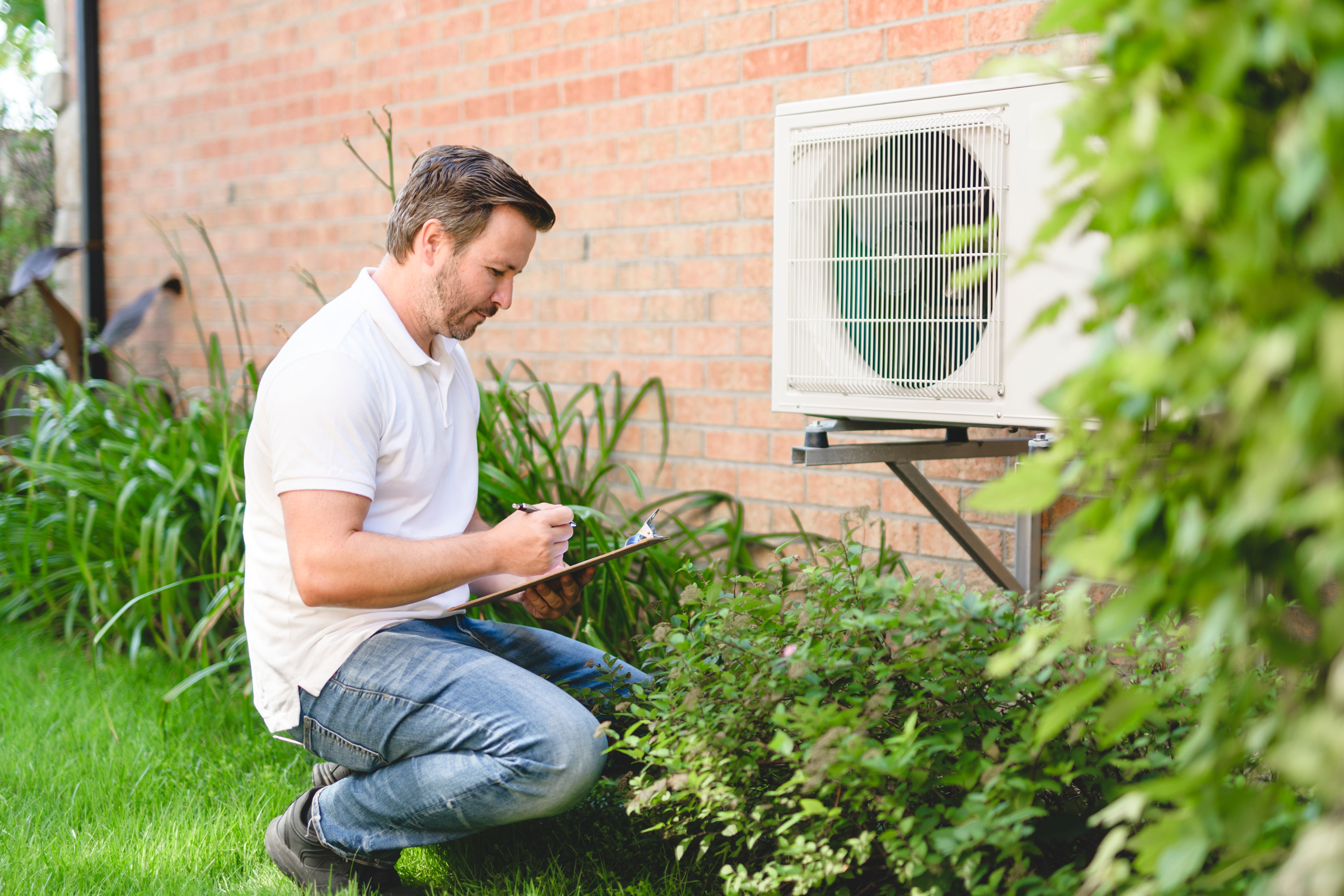
Additionally, using dehumidifiers can be a practical solution. These devices extract moisture from the air, helping to maintain optimal humidity levels. Place dehumidifiers in strategic locations throughout your home to enhance their effectiveness.
Regular Maintenance and Cleaning
Regular maintenance is key to preventing humidity-related issues. Inspect your home for signs of moisture damage, such as peeling paint or musty odors, and address them promptly. Ensure that gutters and downspouts are clear and functioning properly to prevent water from seeping into your home.

Frequent cleaning can also help maintain your interior design. Use mold-killing cleaning products in areas prone to dampness, and regularly dust and vacuum to prevent mold spores from settling.
Managing Indoor Plants
Indoor plants can thrive in humid environments, but they can also contribute to higher humidity levels. Choose plants that are known for their air-purifying qualities, such as snake plants or peace lilies, which can help maintain a balanced indoor climate.
Be mindful of overwatering, as excess water can increase humidity levels. Ensure proper drainage and avoid letting water stagnate in plant saucers.
Adapting Your Decor
Finally, consider adapting your decor to suit a humid climate. Lightweight, breathable fabrics are ideal for upholstery and curtains, as they allow air to circulate and reduce moisture buildup. Avoid heavy, absorbent materials like velvet, which can retain humidity.
By making thoughtful choices and implementing practical solutions, you can maintain a beautiful and functional interior design, even in the most humid of climates. Embrace the unique challenges of your environment and let your home reflect your style and creativity.