
Myths About 3D Architectural Visualization Debunked


Understanding 3D Architectural Visualization
3D architectural visualization is a powerful tool that brings building designs to life. However, several myths surround this innovative technology, leading to misunderstandings about its capabilities and applications. In this article, we'll debunk some of the most common myths about 3D architectural visualization.
Myth 1: It's Only for Large Projects
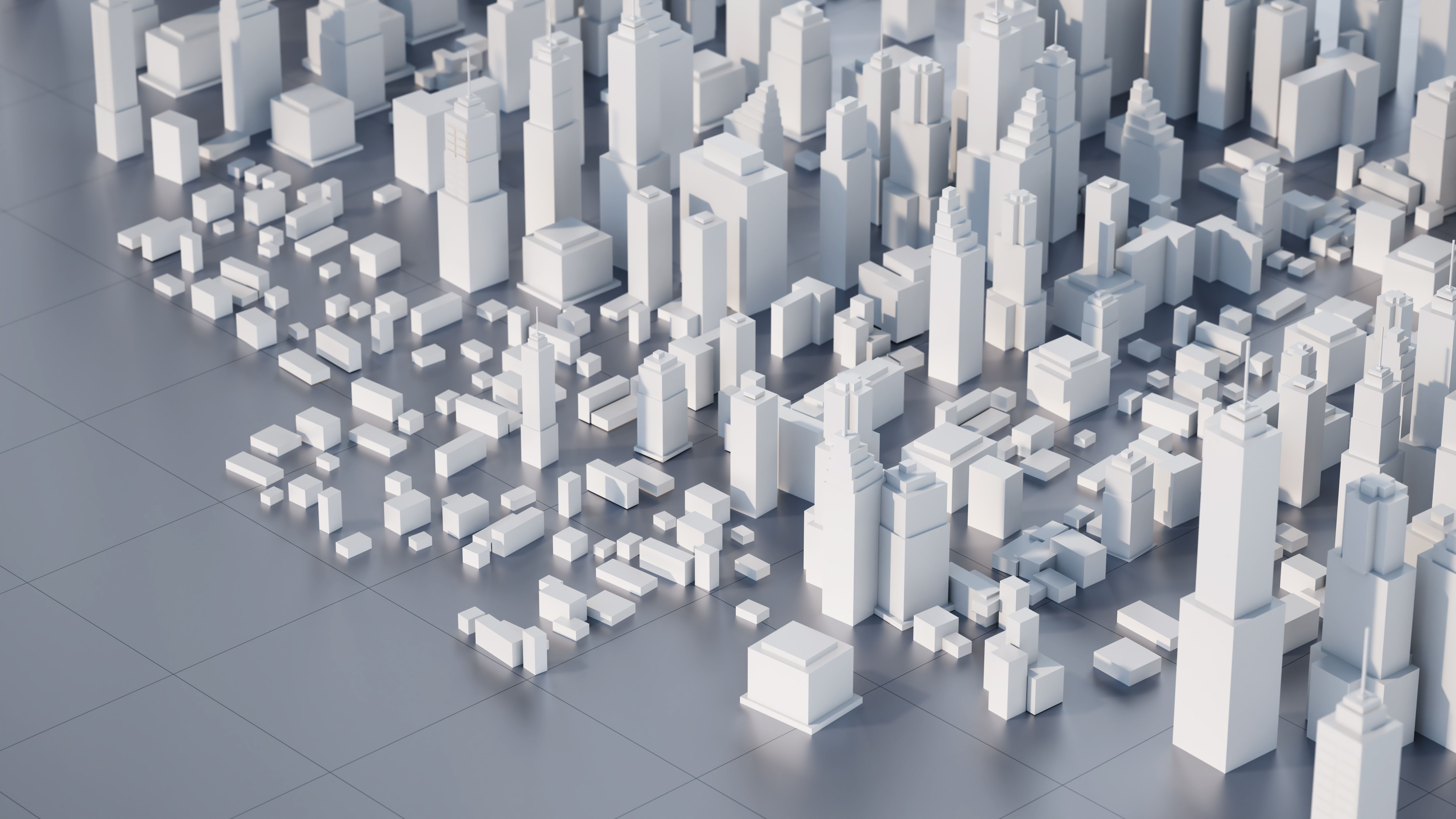
One prevalent myth is that 3D architectural visualization is reserved for large-scale developments or high-budget projects. In reality, this technology is accessible to projects of all sizes. Whether you're designing a small residential home or a massive commercial complex, 3D visualization can enhance the presentation and understanding of the design.
Architects and designers can benefit from 3D visualization regardless of the project's scale. It provides a realistic depiction that can aid in decision-making and improve communication with clients and stakeholders.
Myth 2: It's Too Expensive
Another common misconception is that 3D architectural visualization is prohibitively expensive. While there are costs involved, the investment often pays off through improved project outcomes and more effective marketing materials. The cost can vary depending on the complexity of the project and the level of detail required.
Many firms find that the benefits, such as reduced errors and increased client satisfaction, justify the initial expense. Moreover, technological advancements have made 3D visualization more affordable than ever before.
Myth 3: It's Only for Marketing
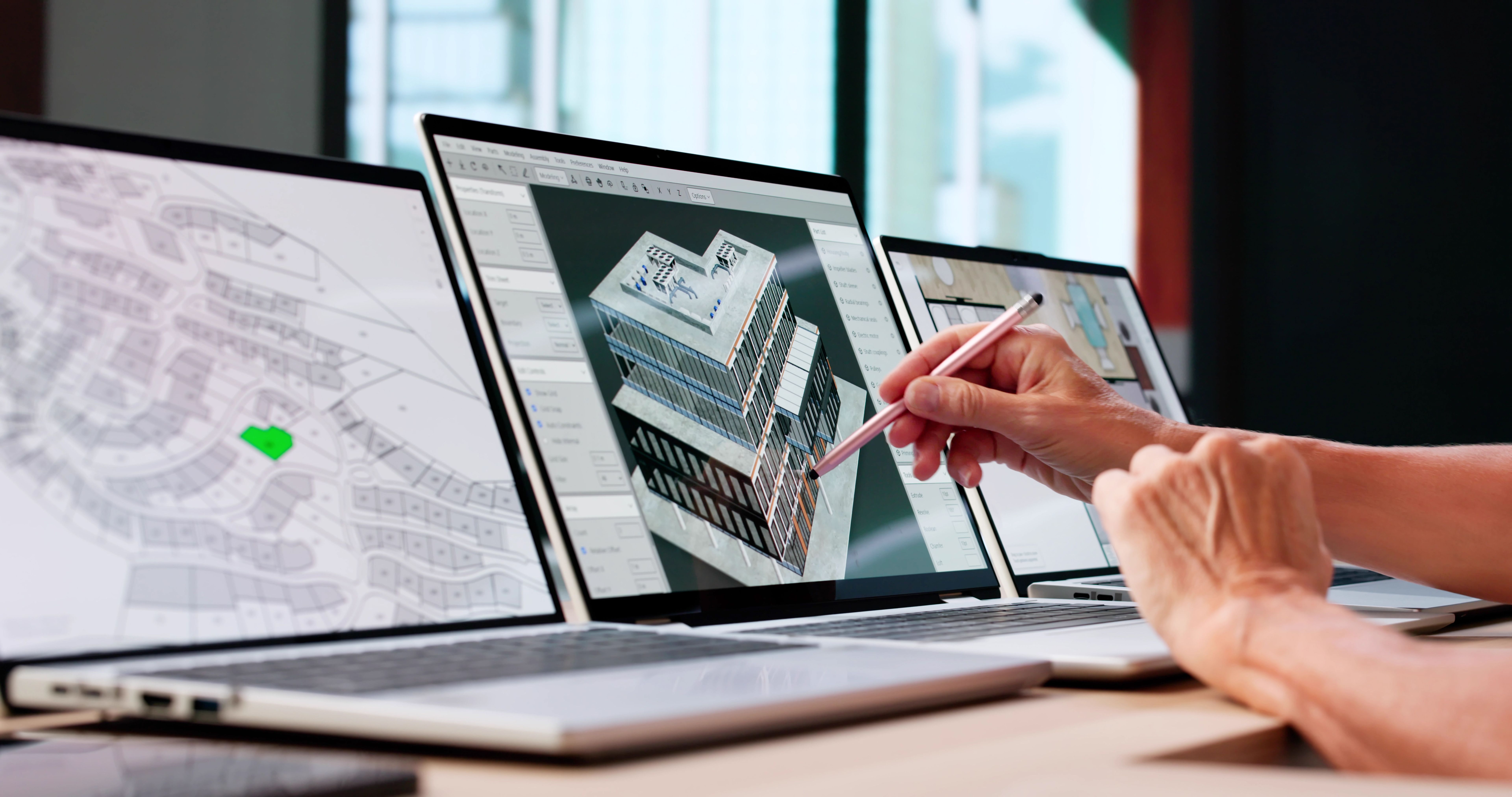
While 3D visualization is indeed a powerful marketing tool, its applications extend far beyond promotional materials. It plays a crucial role in the design process, allowing architects to explore different design options and make informed decisions.
By visualizing a project in 3D, designers can identify potential issues early in the process, saving time and resources. It also facilitates better collaboration among team members and enhances communication with clients.
Myth 4: It Requires Advanced Technical Skills
Many believe that creating 3D visualizations requires advanced technical skills. While having a background in design software is helpful, many intuitive tools now make it possible for those with minimal experience to produce impressive results.

Numerous software options offer user-friendly interfaces and tutorials, enabling users to create detailed visualizations without extensive training. This accessibility allows more professionals to leverage the benefits of 3D visualization in their work.
Myth 5: It's Just a Trend
Some skeptics view 3D architectural visualization as a passing trend. However, its widespread adoption across the industry suggests otherwise. As technology continues to evolve, 3D visualization is becoming an integral part of architectural design and communication.
The ability to create immersive and interactive designs has proven invaluable, and the demand for these services is only expected to grow. Embracing 3D visualization can provide a competitive edge in an increasingly digital world.
- Improved client understanding
- Enhanced design accuracy
- Streamlined project communication
In conclusion, 3D architectural visualization is a versatile and valuable tool for architects, designers, and developers. By dispelling these myths, we can better appreciate the real benefits and potential of this transformative technology.