
The Future of Landscape Architecture in Bengaluru


Introduction to Landscape Architecture in Bengaluru
As one of India's fastest-growing cities, Bengaluru stands at the forefront of urban development and innovation. The future of landscape architecture in this vibrant metropolis is set to transform the way we interact with urban spaces. From integrating green technologies to promoting sustainable practices, landscape architecture is redefining the city's skyline and enhancing quality of life.
Embracing Green Technologies
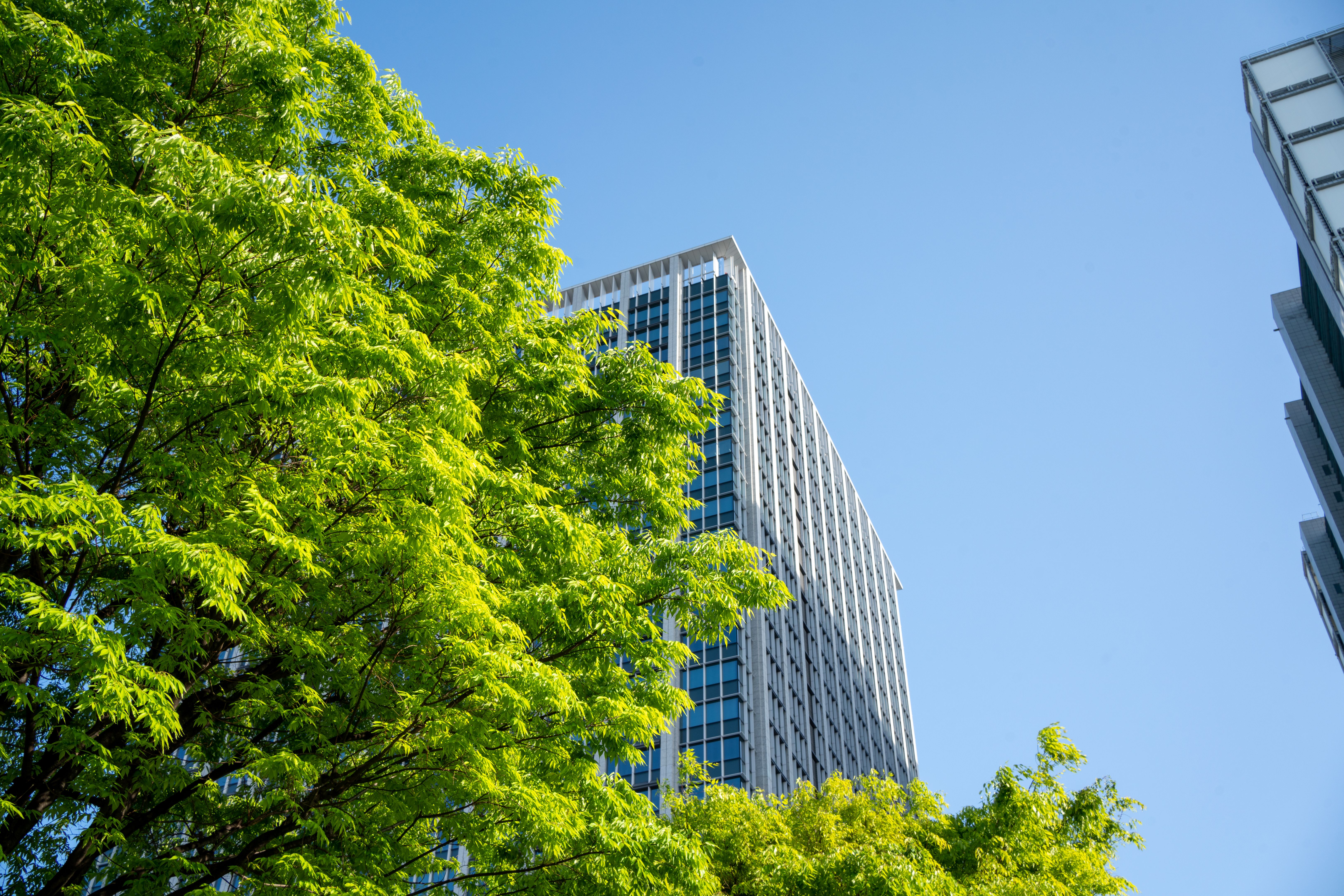
The integration of green technologies in landscape architecture is becoming essential in Bengaluru. From vertical gardens to green roofs, architects are finding innovative ways to incorporate nature into urban settings. These technologies not only beautify the city but also reduce the urban heat island effect, improve air quality, and increase biodiversity.
Moreover, the use of smart irrigation systems and rainwater harvesting techniques is gaining popularity. These technologies ensure efficient water usage, which is crucial for a city often facing water scarcity. By adopting these methods, Bengaluru is setting a precedent for sustainable urban development.
Sustainable Practices and Biodiversity
Sustainability is at the core of modern landscape architecture. In Bengaluru, there's a growing emphasis on creating ecological balance through thoughtful design. Landscape architects are prioritizing native plants that require less maintenance and support local wildlife. This approach fosters biodiversity while minimizing the ecological footprint.

Community involvement is also a critical aspect of sustainability. By engaging local communities in the planning and maintenance of green spaces, architects ensure that designs meet the needs of the people who use them, fostering a sense of ownership and responsibility.
Urban Parks and Public Spaces
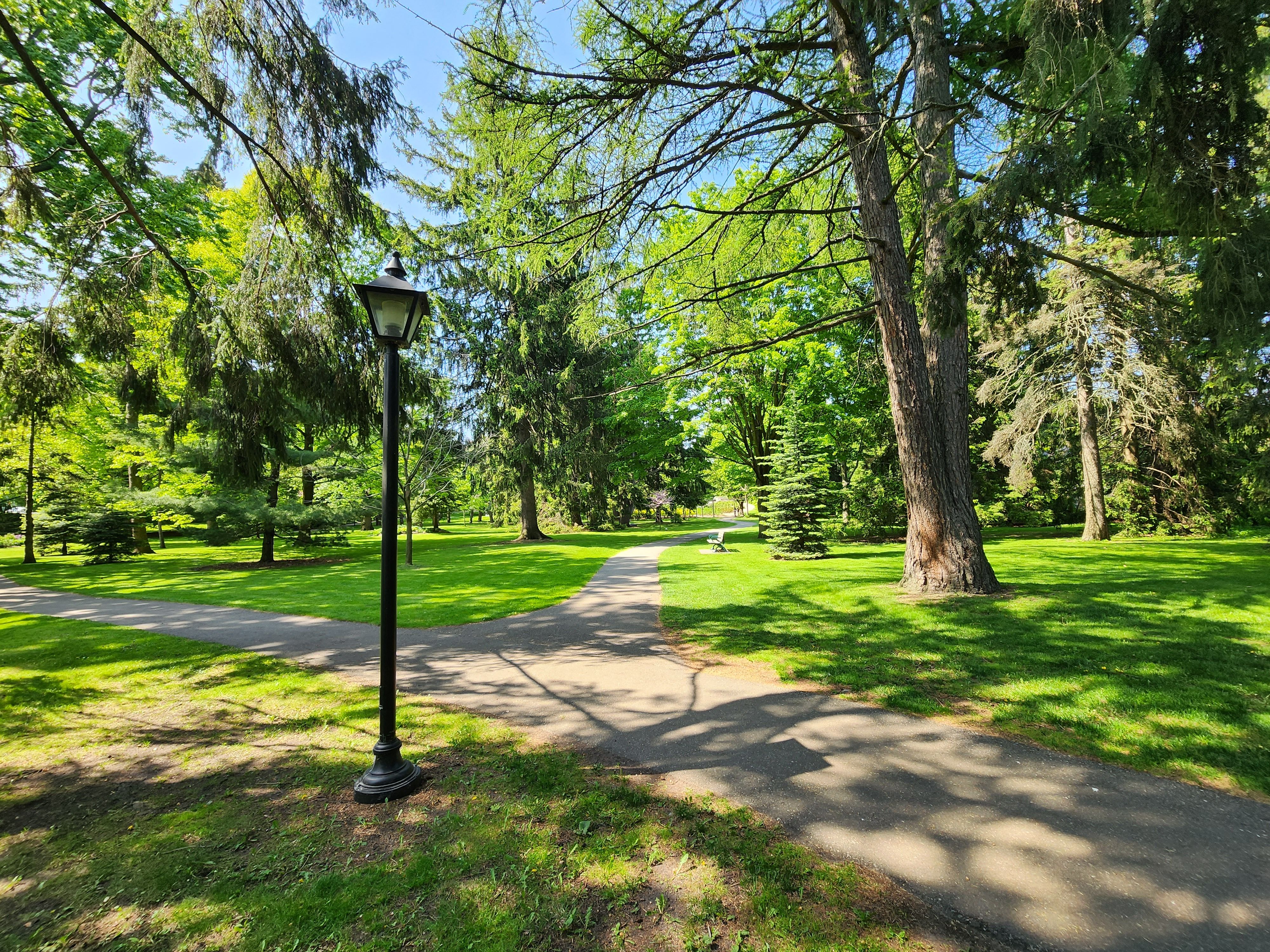
Bengaluru's landscape architects are reimagining urban parks and public spaces as multifunctional areas that serve diverse community needs. These spaces are designed to be inclusive, offering something for everyone, from playgrounds for children to serene areas for relaxation and meditation.
Planners are also focusing on connectivity, ensuring that parks and green spaces are easily accessible via public transportation and pedestrian pathways. This approach not only encourages outdoor activities but also reduces dependence on cars, contributing to a healthier urban environment.
The Role of Technology in Design
Advanced technologies such as Geographic Information Systems (GIS) and Building Information Modeling (BIM) are revolutionizing landscape architecture in Bengaluru. These tools allow architects to visualize and plan complex projects with precision, ensuring optimal space utilization and sustainability.
Virtual reality (VR) and augmented reality (AR) are also making their mark by providing immersive experiences that help stakeholders understand and engage with proposed designs. This technological integration facilitates better decision-making and enhances collaboration among architects, clients, and the community.
Conclusion
The future of landscape architecture in Bengaluru is bright and promising. As the city continues to grow, the role of landscape architecture will be pivotal in shaping a sustainable, inclusive, and aesthetically pleasing urban environment. By embracing innovative technologies and sustainable practices, Bengaluru is leading the way towards a greener future.