
The Impact of Seasonal Changes on Landscape Architecture in Bengaluru


Understanding Bengaluru's Climate
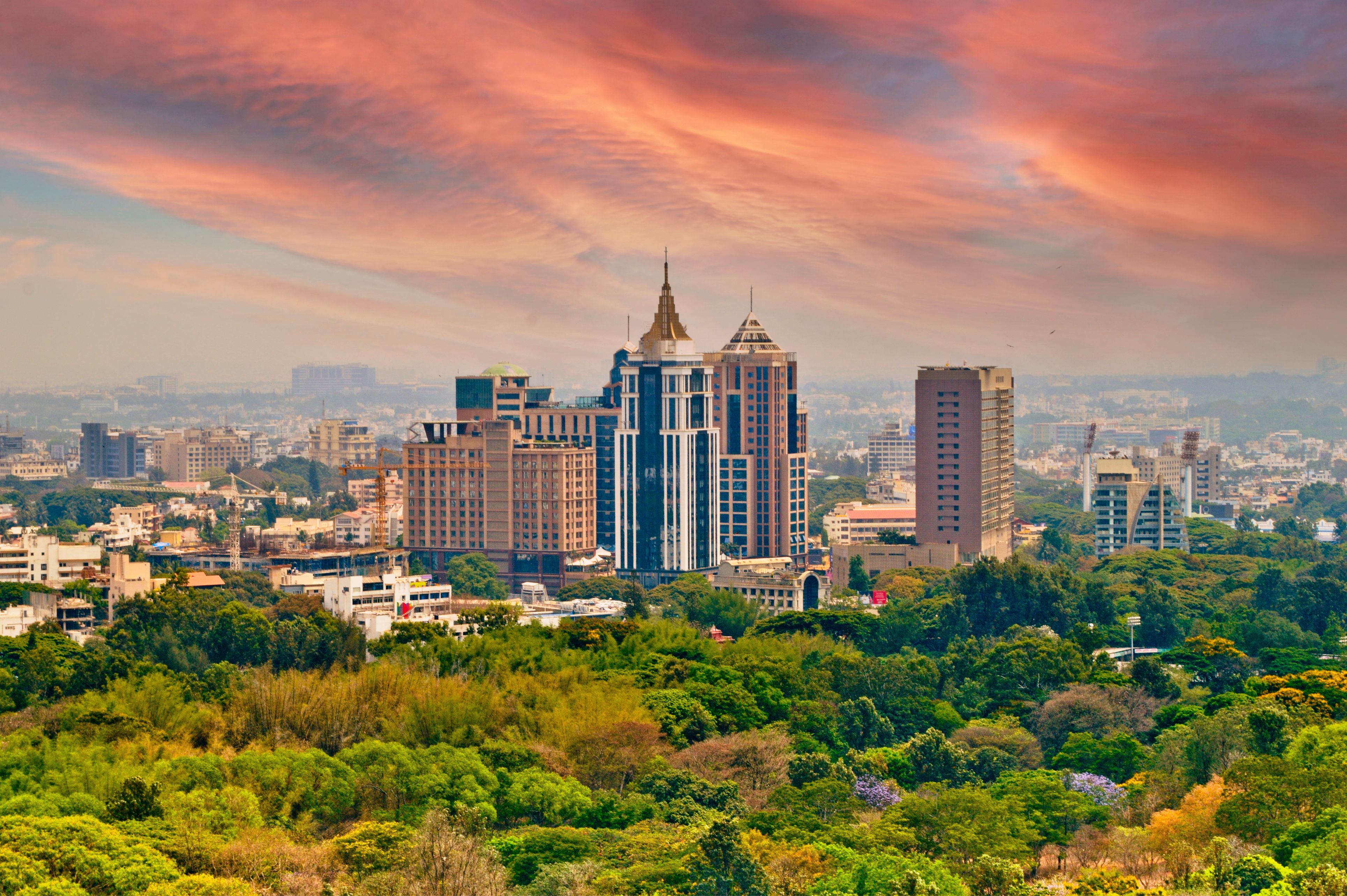
Bengaluru, known for its pleasant weather, experiences distinct seasonal changes that significantly influence landscape architecture. The city's climate, characterized by moderate temperatures and varied rainfall patterns, plays a crucial role in shaping its green spaces.
With its elevation of 900 meters above sea level, Bengaluru enjoys a tropical savanna climate. This climate facilitates the growth of diverse flora, making it a paradise for landscape architects who aim to blend natural beauty with urban design.
The Role of Monsoons
The monsoon season, which typically spans from June to September, is a defining feature of Bengaluru's climate. This period of heavy rainfall is both a boon and a challenge for landscape architects.
Abundant rain supports lush gardens and verdant parks, but it also necessitates robust drainage systems. Architects must design landscapes that can withstand heavy rains without waterlogging, ensuring sustainability and longevity.
Designing for the Dry Season
Post-monsoon, Bengaluru experiences a dry spell from October to May. During this time, water conservation becomes a priority in landscape design. Architects often incorporate drought-resistant plants and efficient irrigation systems to maintain greenery with minimal water usage.

Using native plants that are adapted to the local climate can minimize water requirements and reduce maintenance efforts. This approach not only conserves resources but also supports local biodiversity.
Impact on Urban Green Spaces
Bengaluru's seasonal changes influence the design and maintenance of its urban green spaces. During the wetter months, landscapes are vibrant and flourishing, inviting residents to enjoy outdoor activities.
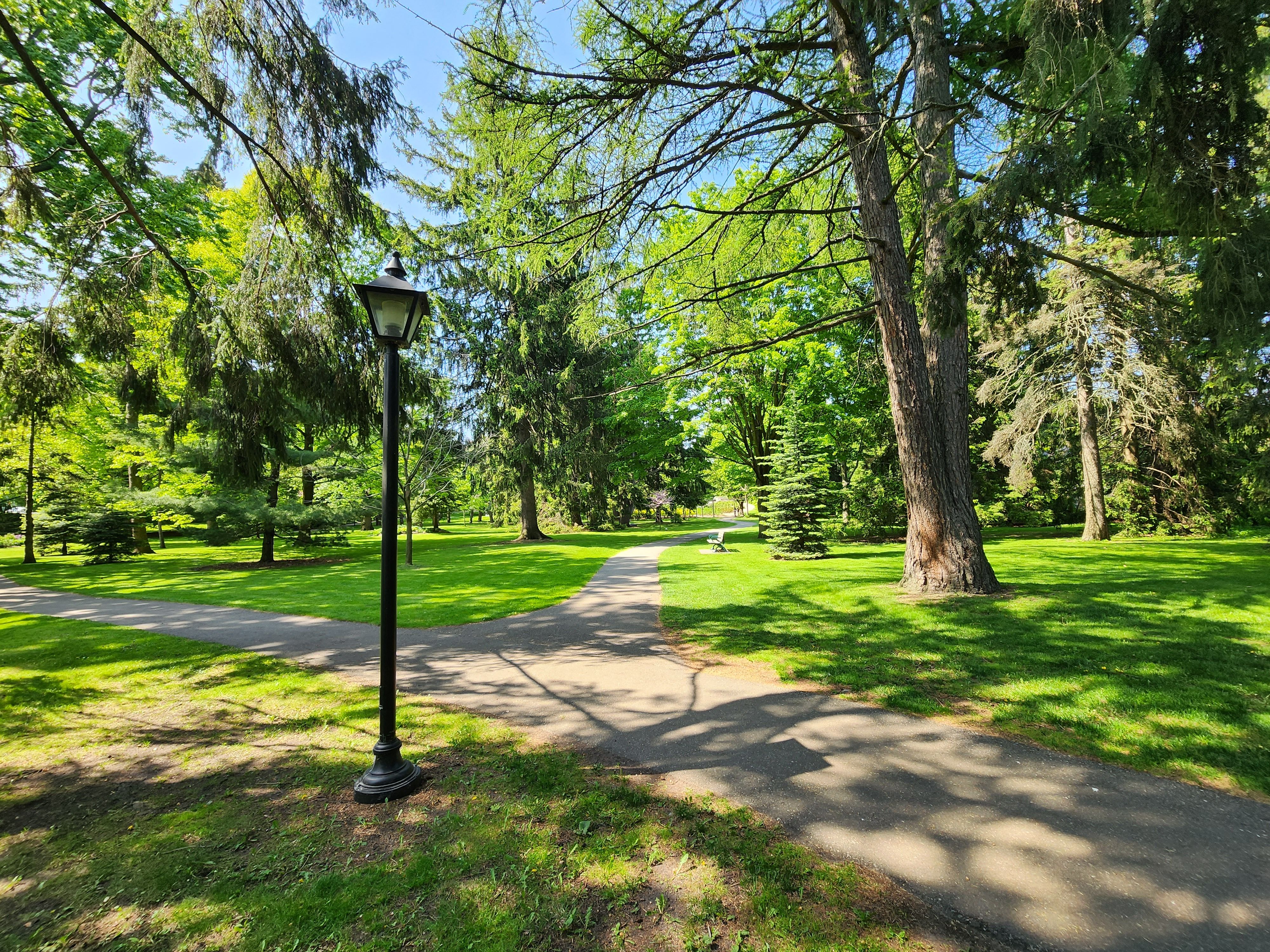
Conversely, the dry season requires careful planning to keep these areas attractive and functional. Landscape architects must balance aesthetics with practicality, ensuring that public parks and gardens remain accessible year-round.
Adaptive Landscape Strategies
To address these seasonal challenges, landscape architects in Bengaluru employ several adaptive strategies. These include:
- Rainwater harvesting to utilize monsoon rains effectively.
- Designing permeable surfaces to manage stormwater runoff.
- Incorporating shaded areas to provide relief during hotter months.
Such strategies ensure that landscapes remain resilient and sustainable, enhancing the city's reputation as the "Garden City of India."
Conclusion
Seasonal changes in Bengaluru present both opportunities and challenges for landscape architecture. By understanding and adapting to these climatic variations, architects can create landscapes that are not only beautiful but also sustainable and responsive to the environment.
Through innovative design and strategic planning, Bengaluru continues to thrive as a city where nature and urban life coexist harmoniously.